Wooden Venetian Blinds: Finishes, Warmth and What to Watch For
What wood adds that other materials don't
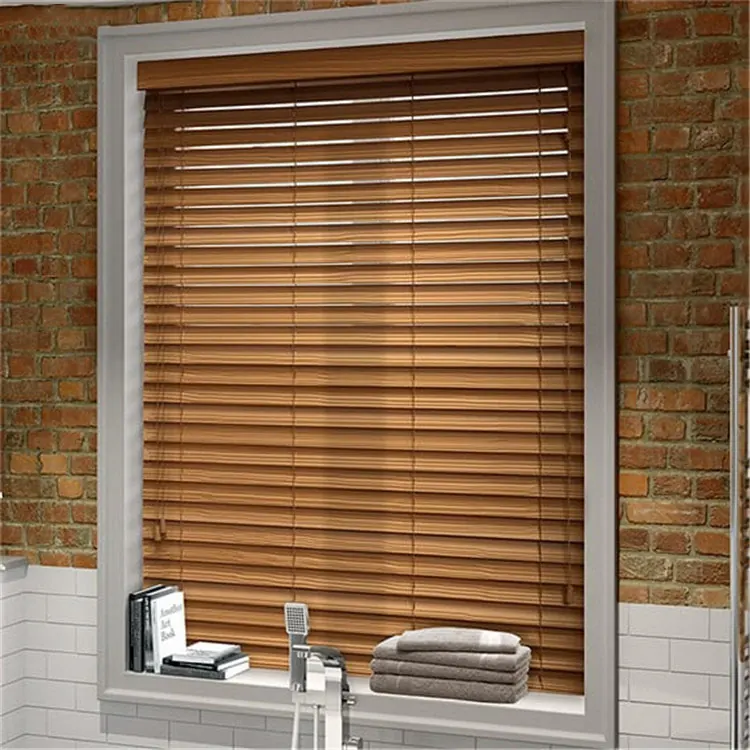
Wooden Venetian blinds bring a natural texture and warm tone that aluminium or faux-wood slats can approximate but not fully replicate — the grain variation and tactile finish read as a more considered, higher-end choice, which is why they're a common pick for a main living room or study.
Finish options
Our wooden Venetian blinds range from rich mahogany to light oak tones, so you can match the blind to existing wood furniture or flooring rather than settling for a single standard finish.
The honest trade-off in this climate
Natural wood is more sensitive to humidity and temperature swings than aluminium or PVC, and constant air conditioning combined with occasional humidity changes can affect any natural wood product over the long term. This isn't unique to our blinds — it's a property of the material itself, and it's worth knowing upfront rather than discovering later.
Where wood makes the most sense
Living rooms, studies and formal spaces that stay consistently air-conditioned tend to suit wooden blinds well. For a bathroom, kitchen, or any room with more humidity variation, our faux-wood or aluminium Venetian blinds are worth considering instead — same tilt-and-lift control, more humidity tolerance.
Care
A dry cloth or a vacuum with a brush attachment along each slat is the safest way to clean wooden blinds without introducing excess moisture. We're happy to talk through the wood-versus-alternative decision honestly during a free consultation, with installation typically within 24–48 hours.
SMB Curtains & Upholstery offers a free, no-obligation home consultation across Dubai.