Venetian Blinds: Choosing Between Aluminium, Wood and Faux Wood
Same mechanism, three different materials
All Venetian blinds work the same way — horizontal slats that tilt and lift for continuously adjustable light and privacy control — but the material you choose changes the look, cost and how well the blind holds up in a specific room.
Aluminium
Lightweight, humidity-resistant and generally the most budget-friendly option, aluminium is a practical default for bathrooms, kitchens and commercial spaces where moisture resistance and low maintenance matter more than natural texture.
Natural wood
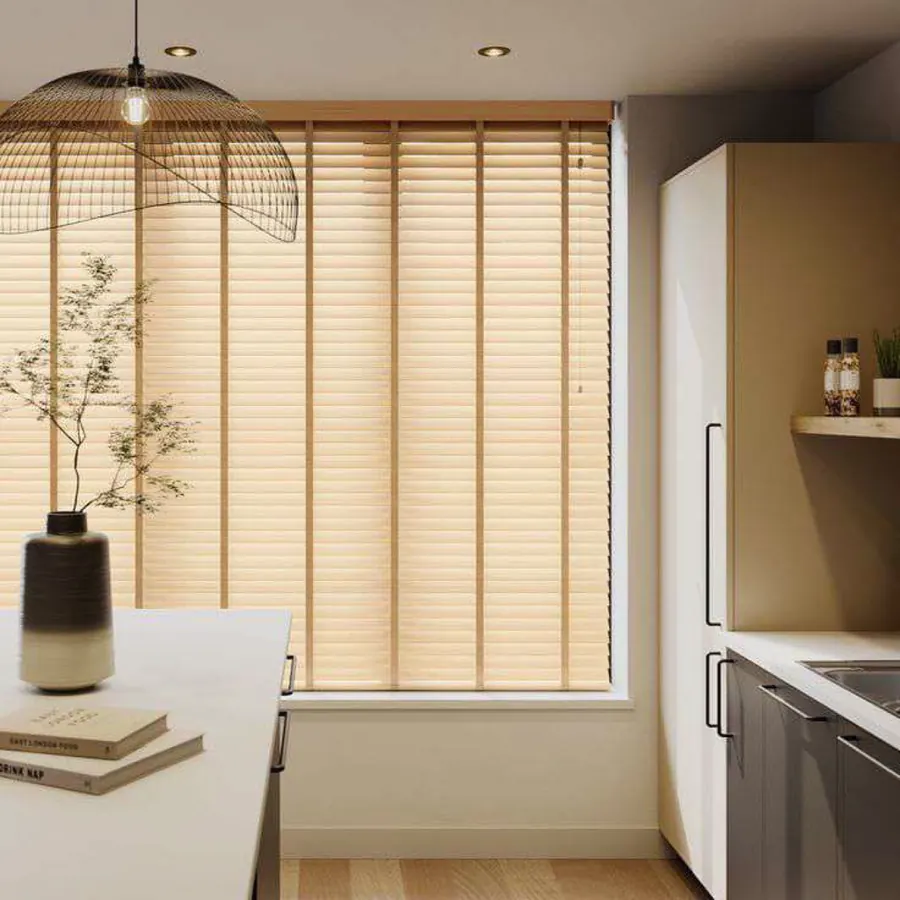
Wood brings genuine warmth and grain texture that the other two materials can only approximate, and it suits a living room, study or formal space that stays consistently air-conditioned. It's more sensitive to humidity swings over the long term than the alternatives.
Faux wood
Faux wood gives much of wood's visual warmth with better humidity tolerance, sitting as a middle ground between the look of natural wood and the practicality of aluminium — a reasonable choice when you want the aesthetic without the moisture sensitivity.
Deciding based on the room, not just the look
The honest answer to "which material" usually comes down to the specific room's humidity exposure and how much natural texture matters to you, more than a universal best choice. We're glad to talk through this trade-off directly during a free consultation, with installation typically completed within 24–48 hours.
SMB Curtains & Upholstery offers a free, no-obligation home consultation across Dubai.